

Melbourne stands on the lands of the Wurundjeri Woi Wurrung and Bunurong peoples of the Eastern Kulin Nation. Long before it became a city of laneways and coffee, it was a place of story, ceremony and deep cultural significance. First Nations culture isn’t just in Melbourne’s past it’s in its present, living and evolving every day.
Here are 10 places, experiences and events where you can connect with the stories, voices and Country that Melbourne stands on.
1. Bunjilaka Aboriginal Cultural Centre (Melbourne Museum)
Carlton
A beautifully curated, ever-evolving space within Melbourne Museum that shares the histories and living cultures of Aboriginal peoples especially those from Victoria. Exhibits, artwork, film, storytelling, and a deeply moving ceremonial space honour the Ancestors of the Kulin Nation.
Start here to understand where you are and whose Country you’re on.
2. Koorie Heritage Trust at Fed Square
Federation Square
This powerful cultural centre showcases Aboriginal-owned art, design, fashion and oral histories, and offers free exhibitions and guided walks. Their Birrarung Wilam (River Camp) walk is a 90-minute introduction to Aboriginal Melbourne along the Yarra.
Always check their exhibition calendar it changes often, and it’s always worth it.
3. Birrarung Marr and the Scar Tree
Yarra River / Birrarung
This public park isn’t just a city space it’s part of an ancient gathering ground. You’ll find a scarred river red gum tree, a lasting mark of cultural practice, and public art that honours stories of resilience and survival.
The name ‘Birrarung’ means “river of mists and shadows” in Woi Wurrung.
4. The Aboriginal Flag at Parliament Steps
Spring Street
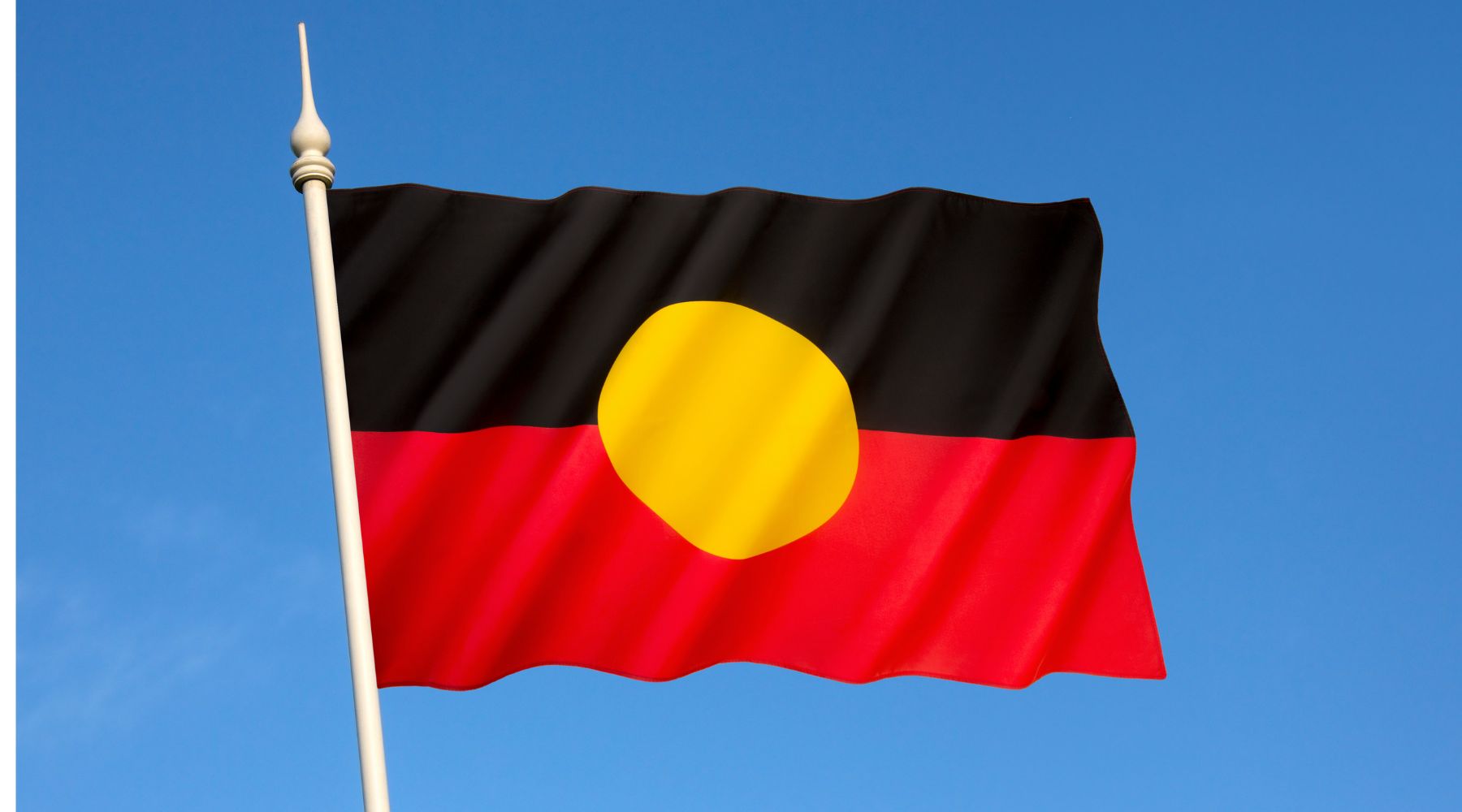
Each day since 2000, the Aboriginal flag flies permanently alongside the Australian flag at Parliament House. It’s more than symbolic it was fought for by activists and Elders, and stands as a commitment to truth-telling.
5. NAIDOC Week Events (July)
Across the city
NAIDOC Week celebrates the history, culture and achievements of Aboriginal and Torres Strait Islander peoples. Melbourne hosts marches, music, workshops, markets, films and talks throughout the week often led by the local community.
Themes change yearly and each one opens up new layers of truth and pride.
6. Wurundjeri Welcome to Country and Smoking Ceremonies
Events, festivals, institutions
If you’re attending a major Melbourne event a festival, an arts opening, a council meeting you’ll likely witness a Welcome to Country or a smoking ceremony, performed by Wurundjeri Elders. These are not performances they are ceremonial acts of cultural sovereignty and respect.
7. Mabo Day and Reconciliation Week Events (May–June)
City and surrounds
Held annually, these events honour the legacy of Eddie Koiki Mabo and push for dialogue around the unfinished business of reconciliation land rights, justice, and self-determination.
Many schools, workplaces and councils host open events or reflections you can attend.
8. Royal Botanic Gardens Aboriginal Heritage Walk
South Yarra
A First Nations guide leads you through the gardens, sharing traditional plant uses, stories of Country, and the layered meaning of place. You’ll never look at Melbourne’s flora the same way again.
9. First Peoples’ Assembly of Victoria (Yoorrook Justice Commission)
Ongoing statewide Treaty process
While not a physical place to visit, the work of the Assembly and the Yoorrook Truth Telling Commission is one of the most important things happening in Victoria right now a long overdue reckoning with the state’s colonial past and real self-determination for First Peoples.
Follow their public forums, truth-telling events, and resources.
10. Reading and Saying the Country You’re On
Everywhere you go
Whether you’re standing in Fitzroy, by the Yarra, or in a laneway café you’re on unceded Aboriginal land. Learn to read the Country what’s growing, what’s missing, whose story was once told here, and whose still is.
Say it aloud: I’m on Wurundjeri Woi Wurrung and Bunurong land. Always was, always will be.
Final word: The more you engage, the more you realise: First Nations culture isn’t just in Melbourne’s foundations it’s in its heart, and future.
