

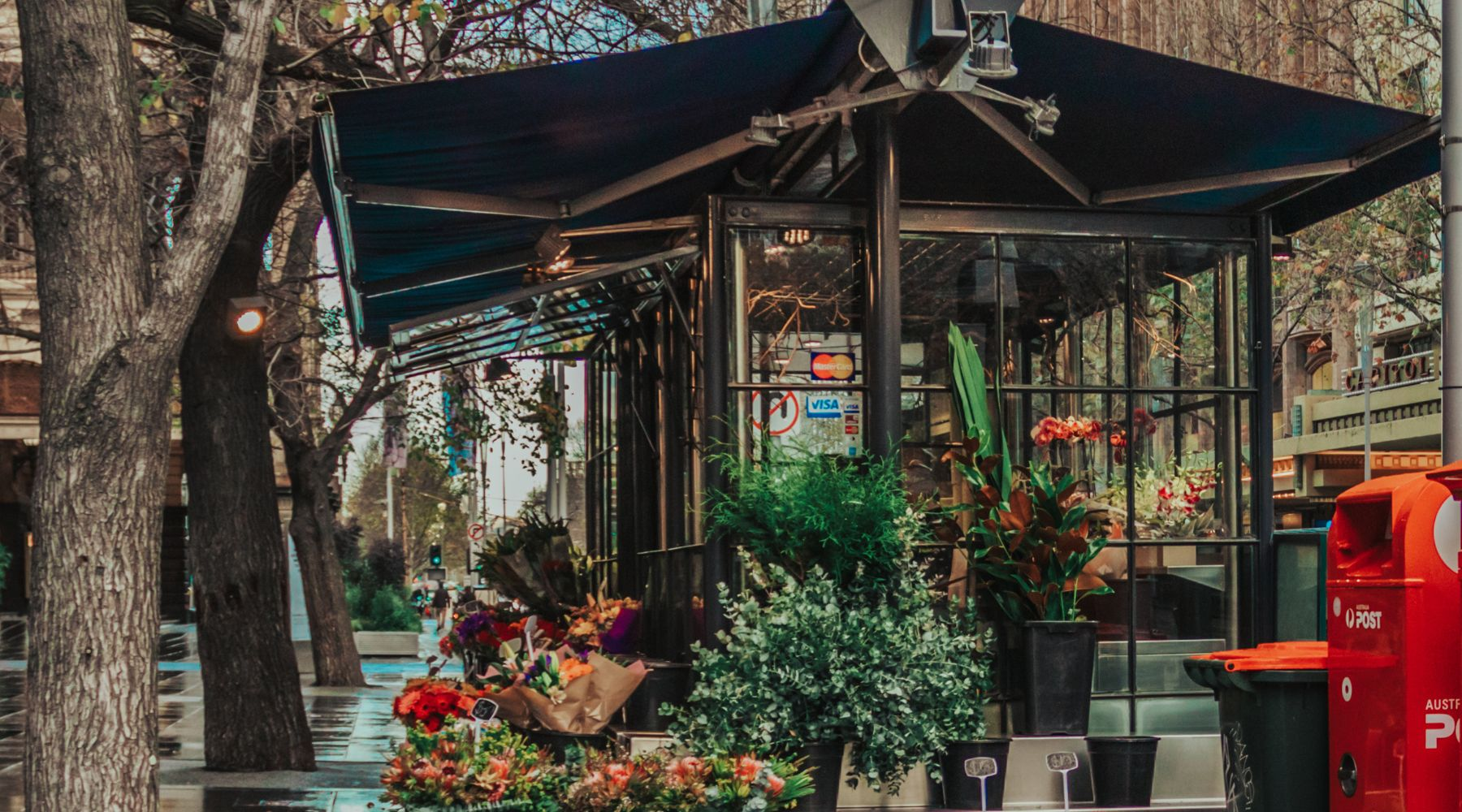
Melbourne didn’t get its World’s Most Liveable City status by accident. It’s earned it through thoughtful planning, cultural investment, social infrastructure and that uniquely local blend of creativity, comfort and caffeine. Here’s why it tops the global charts.
The Rankings
- Melbourne topped the Economist Intelligence Unit’s Liveability Index 7 years in a row (2011–2017)
- Still regularly appears in the top 3–5 cities globally
- Criteria includes healthcare, infrastructure, culture, education, stability, and environment
Education and Innovation
- Home to top universities: University of Melbourne, Monash, RMIT
- Leading in research, AI, design and biomedical development
- Thriving start-up scene in Carlton, Docklands and Cremorne
Healthcare and Safety
- World-class hospitals including The Royal Melbourne, St Vincent’s, and the Royal Children’s Hospital
- Strong mental health services, emergency response, and vaccination rates
- Low crime rate in most central areas
Transport and Accessibility
- Largest tram network in the world
- Free tram zone in the CBD
- Integrated train, tram and bus networks, plus airport connections
Culture, Events and Food
- More live music venues per capita than any other global city
- Dozens of annual festivals: Melbourne International Film Festival, Comedy Festival, White Night
- Rich food scene: from Lygon Street pasta to Thai in Springvale and Ethiopian in Footscray
Parks, Greenery and Space
- 480 hectares of public parks in the inner city
- Fitzroy Gardens, Royal Botanic Gardens, Princes Park, Flagstaff Gardens all within tram reach
- City actively investing in sustainability and climate resilience
Liveability isn’t just about ticking boxes it’s about quality of life. And Melbourne, for all its quirks and climate shifts, offers a balance that’s hard to beat.
