

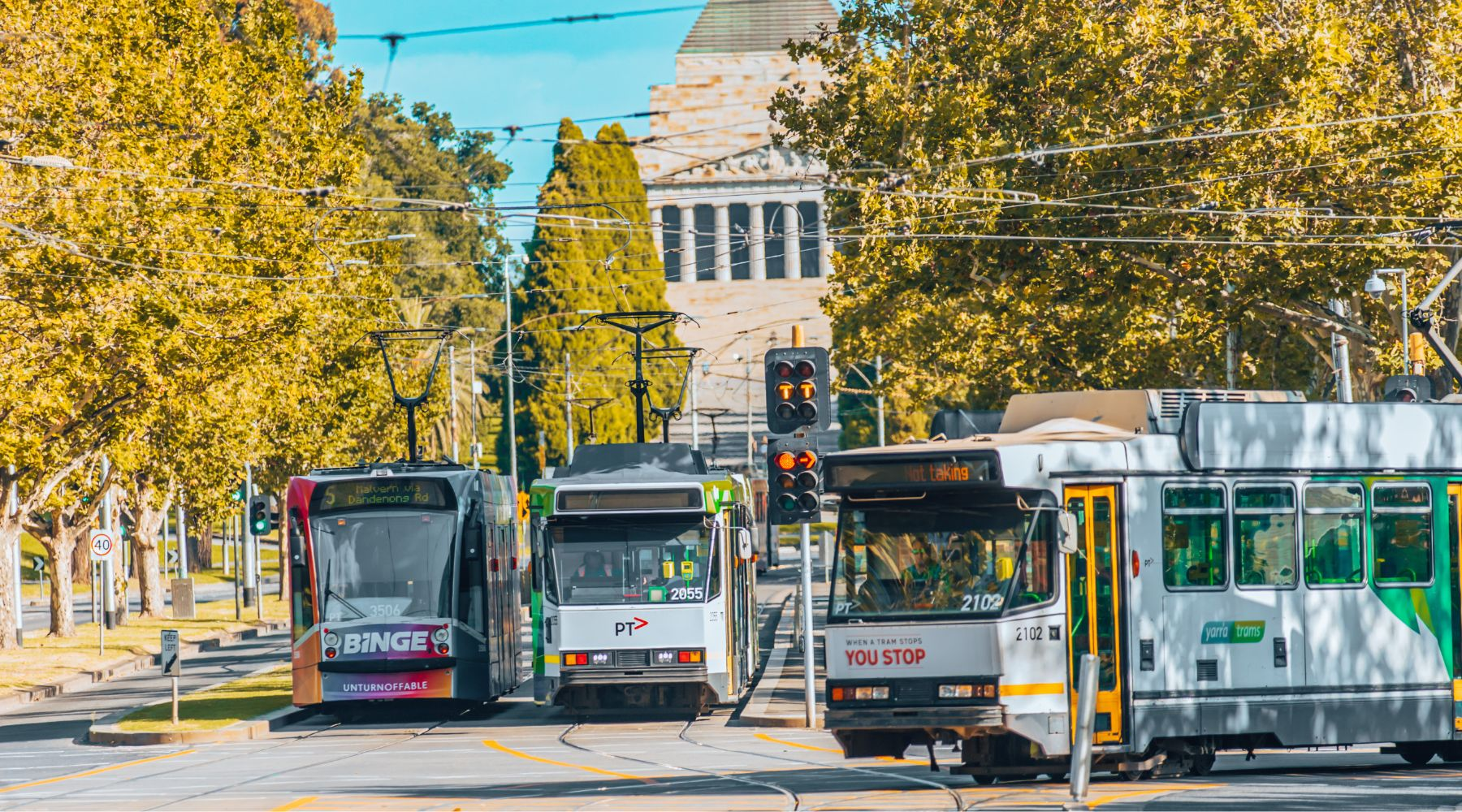
It’s hard to imagine Melbourne without trams they’re as much a part of the city’s identity as laneways and lattes. But behind those rattling green-and-yellow icons lies a rich history of invention, protest, and a touch of old-world glamour.
1. Melbourne’s Tram System Is the Biggest in the World
With over 250km of track and 1,700 tram stops, Melbourne’s network beats any city on the planet yes, even San Francisco and Berlin.
2. The First Trams Were Horse-Drawn
Back in 1884, the first tram in Melbourne was pulled by horses along Fairfield Road. The electric era didn’t arrive until the early 1900s.
3. W-Class Trams Are Heritage Listed
Those charming wooden trams with brass rails and squeaky floors? They’re officially heritage protected. You’ll still see them in the City Circle and tourist routes.
4. Tram Conductors Were Once Schoolyard Legends
Before the days of Myki cards, “connie” conductors strolled up and down the aisles, issuing tickets and cracking jokes. Their bright uniforms and loud voices were iconic in the ‘80s and ‘90s.
5. Melbourne’s Art Trams Have Global Fame
Each year, the Melbourne International Arts Festival commissions artists to design special tram wraps. These moving murals glide through the city like a travelling gallery.
6. Protesters Once Blocked Trams with Kitchen Chairs
During the 1990s Kennett government cuts, protestors famously staged sit-ins on tram lines complete with card tables and tea sets in a movement now known as Tram Blockades.
7. Myki Is Our Second Ticketing System
Before Myki, there was Metcard and before that, colourful paper stubs with zones stamped by hand. Oh, and Myki’s rollout? It cost $1.5 billion and took five years to go live.
Love them or grumble about delays trams are as Melbourne as it gets.
