

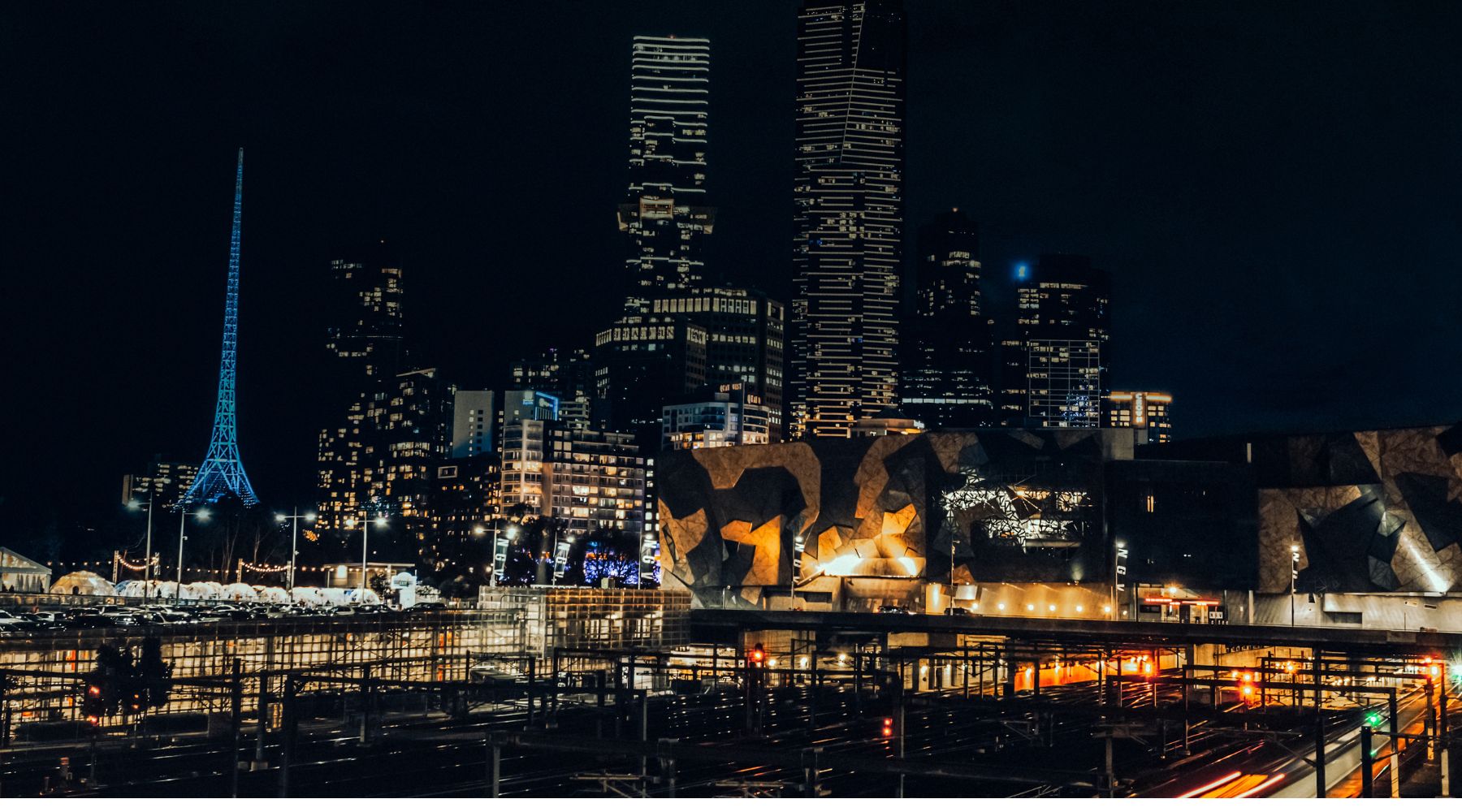
Some are royal, some are weird, and some are named after long-forgotten colonial figures. Melbourne’s streets tell a deeper story than you’d expect from British power plays to early squatters, gold rush heroes and… sheep.
Grid Origins
- Robert Hoddle designed the original 1837 city grid, which still defines the CBD
- Major streets were 30 metres wide, cross streets were half that
- Names were selected by Governor Bourke to reflect British governance and loyalty
Why So Many Start with ‘C’?
- Collins, King, Queen, Bourke, Elizabeth all named after royalty and politicians
- ‘Little’ versions of the main roads (e.g. Little Bourke) were service lanes
- Swanston Street is the only main one not named after British nobility it was a local pastoralist
Royal Themes
- Queen Street, Prince Street, Victoria Parade all royal nods
- Fitzroy, Brunswick, and Albert Park continue the theme in the inner suburbs
Colonial + Political
- Latrobe Street – Named for Charles La Trobe, Victoria’s first lieutenant-governor
- Flinders Street – After Matthew Flinders, who mapped much of the Australian coast
- Batman Avenue – After settler John Batman, who played a key (and controversial) role in Melbourne’s founding
The Quirky Ones
- Hardware Lane – Used to be home to actual hardware stores
- Duckboard Place – Named after a WWI soldiers’ theatre
- Chinatown’s lanes have seen waves of immigration, protest, and food revolutions since the 1850s
Next time you walk through the grid, look up you’re walking through a mix of power, protest, and legacy.
